

Last Updated: November 12, 2026
Quick Summary
Buying a fixer-upper in Sumter trades a lower purchase price for renovation work you must plan, fund, and survive. The pros are built-in equity and control over the finished home; the cons are hidden repair costs, contingency overruns, and construction disruption. A fixer-upper is worth it only when price, renovation budget, and contingency still land below the after-repair value with room to spare.
- Compare the after-repair value to your total cost of buying and fixing before making an offer.
- Budget four layers: hard costs, soft costs, contingency, and carrying costs.
- Systems work like roof, electrical, plumbing, and foundation comes before any cosmetic updates.
- Standard mortgages finance the purchase, not repairs, so line up renovation cash or a renovation loan.
- Ask the seller for permits on file and confirm current rules with the local building department.
Table of Contents
- Fixer-Upper vs. Move-In-Ready Home: The Sumter Trade-Off
- The Pros of Buying a Fixer-Upper in Sumter
- The Cons: Repair Costs, Hidden Problems, and Disruption
- How to Tell If a Fixer-Upper Is Worth It
- Your Fixer-Upper Home Inspection Checklist
- Fixer-Upper Renovation Timeline and Financing Options
- Planning Your Fixer-Upper Search in Sumter
- Frequently Asked Questions
Fixer-Upper vs. Move-In-Ready Home: The Sumter Trade-Off
Buying a fixer-upper in Sumter comes down to one trade: a lower purchase price in exchange for renovation work you must plan, fund, and survive.
A fixer-upper is a home priced below comparable move-in-ready properties because it needs repairs, updates, or both.
Below, we break down the pros and cons of buying a fixer upper in Sumter, what the price gap actually looks like, and how to judge whether a specific house is worth the risk.
What the Price Gap Actually Looks Like
The gap between a fixer-upper and a move-in-ready home in the same neighborhood is the entire reason to consider one. It varies by condition, street, and seller motivation, so treat any single number with suspicion.
What we tell buyers is simpler: compare the after-repair value to the total cost of buying and fixing. If the numbers leave no room for surprises, you are not buying a deal, you are buying a project.
Where Each Option Fits a Shaw AFB Timeline
A PCS timeline changes the math. Move-in-ready homes fit a short report date; fixer-uppers usually do not. If you are weighing a renovation against a hard move date, start with our Shaw AFB relocation planning so the schedule drives the decision, not the other way around. Timeline isn’t the only hurdle for military buyers. A VA appraisal checks that a home is safe, sanitary, and structurally sound, and many true fixer-uppers don’t pass. If you plan to use your VA loan benefit, read the VA financing section below before you fall for a house that needs major work
The Pros of Buying a Fixer-Upper in Sumter
The advantages are concrete: a lower entry price, built-in equity, and control over the finished product. None of them are automatic, and each depends on buying the right house at the right number.
Lower Purchase Price and Built-In Equity
A fixer-upper can list below comparable homes nearby, which can put a neighborhood within reach that would otherwise be out of budget. That argument holds up when the repair estimates are honest.
Equity comes from the spread between what you pay plus what you spend, and what the finished home is worth. Buyers who estimate repairs carefully and buy at a disciplined price capture that spread.
Customization and Sweat Equity
You choose the kitchen, the flooring, the layout changes. That control is worth real money to some buyers and nothing to others.
Sweat equity, the value you add through your own labor, is where expectations often outrun reality. Cosmetic work is manageable for most people. Electrical, plumbing, structural, and roofing work is not a weekend project, and mistakes there cost more to fix than hiring it out would have.
The Cons: Repair Costs, Hidden Problems, and Disruption
The drawbacks are equally real, and they cluster around three things: what you cannot see, what it costs to fix, and what it is like to live there while it happens. According to Travelers’ guide to fixer-upper pros and cons, the lower price and the renovation expense have to be weighed together, not separately.
The Pros and Cons of Buying a Move-In-Ready Home in Sumter
A move-in-ready home is one you can live in from day one. The major systems work, nothing urgent needs repair, and any updates you want are your choice, not a requirement. You pay for that certainty up front, and for many buyers, especially military families, it’s worth every dollar.
The Pros of a Move-In-Ready Home
You can move in on closing day. There’s no renovation schedule to manage and no contractors to coordinate, and you’re not living in a construction zone. If you have a fixed report date at Shaw AFB, that matters more than anything else on this list.
Fewer surprises after closing. A newer or well-kept home still needs an inspection, but the findings are usually maintenance items, not major repairs. Your monthly budget stays predictable.
Easier financing. VA and FHA appraisals require a home to meet minimum property standards. Move-in-ready homes usually pass without trouble. Homes with major defects can be hard or impossible to finance with those loans unless the repairs are made first.
Simpler resale. If you expect to PCS again in a few years, a home in good condition with clean permit history is easier to sell or rent out when orders come.
The Cons of a Move-In-Ready Home
A higher purchase price. You pay for work someone else already did, so there’s less built-in equity than with a fixer-upper bought at the right price.
More competition. Move-in-ready homes in good Sumter neighborhoods attract the most buyers, which can mean multiple offers and less room to negotiate.
Someone else’s taste. The kitchen, flooring and paint colors were chosen by the seller or a flipper. If you’d change them anyway, you’re paying for finishes you’ll tear out.
“Updated” doesn’t always mean sound. A fresh coat of paint and new countertops can hide an aging roof or old wiring. A move-in-ready listing still needs a full inspection. Don’t skip it just because the house looks finished.
Fixer-Upper vs. Move-In Ready: Side-by-Side Comparison
|
Factor |
Fixer-Upper |
Move-In Ready |
|---|---|---|
|
Purchase price |
Lower than comparable homes |
Higher, reflects completed work |
|
Time until you can move in |
Weeks to months, depending on scope |
Closing day |
|
Total cost |
Price + repairs + contingency + carrying costs |
Mostly the purchase price |
|
Risk of surprises |
High, especially behind walls and under floors |
Low to moderate |
|
VA / FHA financing |
May not meet minimum property standards; a renovation loan may be needed |
Usually qualifies without issue |
|
Fit for a PCS timeline |
Poor with a fixed report date |
Strong |
|
Built-in equity |
Potentially significant if bought right |
Limited |
|
Customization |
Full control over finishes and layout |
Limited to what you change later |
|
Competition from other buyers |
Usually lower |
Usually higher |
|
Best for |
Buyers with time, cash reserves and patience |
Buyers on a deadline or a tight budget |
The straight answer: If you have a hard move date or no cash set aside for repairs, move-in ready is almost always the safer choice. If you have time, a reserve fund and a realistic renovation budget, the right fixer-upper can put you in a better neighborhood with equity on day one. Either way, I’ll tell you the truth about the house in front of you and help you from start to finish.
Deferred Maintenance and Structural Issues
Deferred maintenance is the backlog of repairs a previous owner postponed. It hides in plumbing, electrical systems, the roof, and the foundation, and it rarely announces itself at the showing.
A common mistake is budgeting for what you can see, the dated kitchen and worn carpet, and ignoring what you cannot. Structural issues and old systems are where budgets break.
Cost Overruns and Contingency Planning
Every renovation has surprises. The question is whether you planned for them. A contingency fund is not optional padding; it is the difference between finishing the project and running out of money halfway through.
Watch out: skipping a contingency because the numbers are already tight is the fastest way to turn a good deal into a financial strain.
How to Tell If a Fixer-Upper Is Worth It
A fixer-upper is worth it when purchase price, renovation budget, and contingency still land below the after-repair value with room to spare. If that math does not work before you make an offer, it will not work after. The hard part is that most buyers build the renovation budget from what they can see and skip the line items that decide the outcome.
Build a Real Renovation Budget, Not a Wish List
A workable budget has three layers, and skipping any one of them is how deals turn bad:
- Hard costs: materials and licensed labor for roof, HVAC, electrical, plumbing, foundation, windows, siding, and flooring.
- Soft costs: permits, inspections, dumpsters, temporary utilities, and design or engineering fees where required.
- Contingency: a reserve held back for what the inspection missed or what opening a wall reveals. A contingency reserve is commonly sized as a percentage of the renovation budget, with older homes needing more.
A common pattern is that buyers budget the kitchen and the paint, then discover the electrical panel, the supply plumbing, and the roof are all at end of life.
Watch out: a budget with no line for permits, dumpsters, and temporary utilities is a guess, and those soft costs quietly eat the reserve you were counting on.
The 30% Rule and After-Repair Value
A common rule of thumb is if repairs run more than about 30% of the purchase price, treat it as high-risk. It is a starting filter, not a verdict.
After-repair value, what the finished home would sell for, is the number that matters. Compare it to your all-in cost: purchase price plus hard costs plus soft costs plus contingency plus carrying costs.
South Carolina Permits and Code Requirements
Renovation work often requires permits and inspections, and requirements vary by jurisdiction and change over time, so confirm current rules with the local building department before work begins. Unpermitted work can complicate resale and insurance later, and buyers who inherit it often pay to correct it out of pocket.
Two practical checks belong in every offer: ask the seller for permits on file for any past additions or major systems work, and confirm with the local building department what a new permit will require for your scope. If a prior owner finished a garage conversion or addition without permits, treat that space as a liability until verified, not as square footage you can count on.
Your Fixer-Upper Home Inspection Checklist
A fixer-upper inspection is not a formality; it is your risk assessment. Hire an inspector who will get into the crawlspace, the attic, and the roof, and read the report as a repair budget, not a checklist of annoyances.
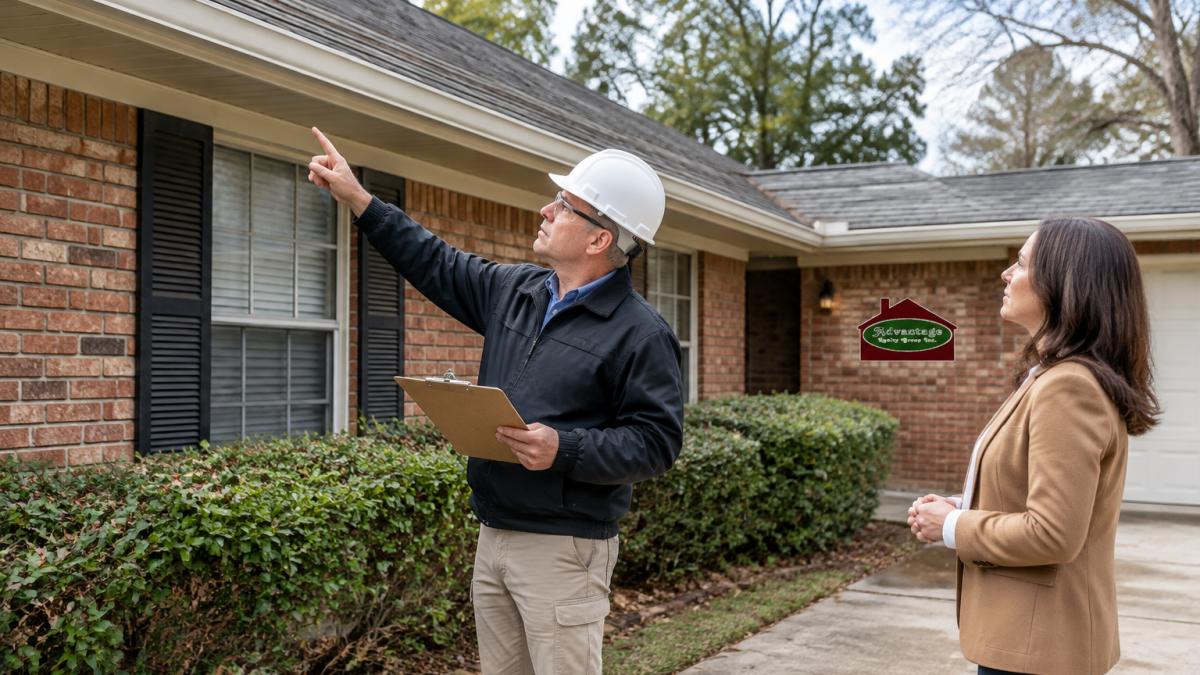
Use this checklist on every candidate:
- Roof age and condition
- HVAC
- Mold
- Water damage, active leaks
- Foundation cracks, settling, and drainage around the house
- Electrical panel capacity and wiring type
- Deferred maintenance
For a printable version to take on tours, use our free Sumter home buyer guide. It includes a tour checklist you can carry room to room.
|
Inspection Finding |
Typical Fix |
Impact on Your Budget |
|---|---|---|
|
Roof at end of life |
Full replacement |
Major, plan early |
|
Outdated electrical panel |
Panel upgrade by licensed electrician |
Moderate to major |
|
Galvanized or failing plumbing |
Partial or full repipe |
Major, disruptive |
|
Foundation cracks |
Structural evaluation, possible repair |
Highest risk item |
|
Cosmetic wear |
Paint, flooring, fixtures |
Predictable, manageable |
Fixer-Upper Renovation Timeline and Financing Options
Plan your financing before you make an offer, since a renovation can take a considerable amount of time. Cosmetic issue could take you weeks to complete, while bigger remodeled can take you months to get completed. The timeline and the loan have to match your move date, or the project controls you. This is where a good house turns into a stressful one.
Financing the Purchase Plus the Renovation
Standard mortgages finance the purchase, not the repairs, so a buyer using a conventional loan needs cash on hand for the renovation or a second source of funds lined up before closing.
Using a VA Loan on a Fixer-Upper
As a Veteran and Military Relocation Specialist, this is the question I hear most from Shaw AFB families: “Can I use my VA loan on a house that needs work?” The straight answer is yes, sometimes, but you need to know the rules and speak to a lender before you make an offer.
VA Minimum Property Requirements (MPRs). Every home bought with a VA loan has to pass a VA appraisal. The appraiser checks that the home is safe, sanitary, and structurally sound. A leaking roof, unsafe electrical, failing heat, or structural damage can stop the loan. If the home only needs minor fixes, the seller can sometimes make the repairs before closing. If it needs major work, a standard VA loan usually won’t get you there.
Renovation loan options to ask your lender about:
- VA renovation loan: Lets eligible buyers finance the purchase and the repairs in one VA loan, often with no down payment. Repairs generally have to be done by a qualified contractor within about 120 days, and the home must meet VA standards when the work is finished. Few lenders offer it, and repair limits vary by lender, so ask early.
- FHA 203(k): The Limited 203(k) covers non-structural repairs, and the Standard 203(k) handles bigger projects, including structural work. Both roll the purchase and the repairs into one FHA loan with a low down payment.
- Conventional renovation loans: Fannie Mae HomeStyle and Freddie Mac CHOICERenovation also finance the purchase and repairs together. They can be a fit for buyers with stronger credit who aren’t using a VA or FHA loan.
The bottom line: Renovation loans work, but they add paperwork, contractor approvals, and time. If your report date is close, that extra time can decide the deal. Talk to a lender who regularly closes renovation loans before you write an offer on a fixer-upper. I’m glad to connect you with lenders who know these programs.
What to verify with a loan officer before you fall in love with a house:
- Whether the loan is based on the after-repair value or the as-is value. This changes how much you can borrow and how the deal pencils out.
- Whether the lender requires a licensed contractor and approved bids. Many renovation loan programs do, which limits DIY and sweat-equity plans.
- How draws are released. Funds are typically disbursed in stages as work is completed and inspected, not handed over at closing, so you need a contractor who can work with that schedule.
Watch out: assuming a renovation loan will cover DIY labor or unpermitted work is one of the fastest ways to stall a project, because many programs require licensed, permitted work and will not release funds otherwise.
A Realistic Renovation Timeline
A renovation timeline is built backward from your move date, not forward from the first hammer swing. A workable sequence looks like this:
- Inspection and scope: get the inspection report, price the major systems, and decide what is essential versus cosmetic.
- Permits and bids: submit for permits and collect licensed contractor bids for the essential work. This stage often takes longer than buyers expect.
- Systems first: roof, electrical, plumbing, HVAC, and foundation before anything cosmetic, because cosmetic work done over failing systems gets torn out.
- Cosmetic work: kitchens, baths, flooring, and paint, sequenced so trades are not tripping over each other.
- Final inspections and punch list: the last items always take longer than the plan allows.
If your report date is fixed, compare that sequence against your calendar before you make an offer. A house that needs a roof and a repipe is not a short-timeline purchase, no matter how good the price looks.
Living Through Construction
Construction disruption is the drawback buyers underestimate most.
The practical answer is sequencing: finish the essentials first, live with the cosmetic work, and avoid scheduling major systems work the same month you move in.
When the financing and renovation plan are clear, the next step is often a conversation about timing and next steps. I am not only a Real estate agent I am also a home flipper, and I have flipped over 10 properties now, so I am a great resource to help you figure out the costs of major to minor repairs in a home you are thinking of buying. You can contact me to talk through your situation.
Planning Your Fixer-Upper Search in Sumter
Start with the neighborhood, then the house. Location drives resale value, school access, and commute to Shaw, and no renovation fixes a bad location.
Compare Sumter communities and their home styles before you tour, so you know which areas fit your budget and timeline. When you are ready to start, our Sumter home buying guidance walks through it from first tour to closing, and our Sumter communities overview helps you narrow the search.
The challenge with a fixer-upper is not finding one; it is knowing which one is worth your money and your timeline.
Frequently Asked Questions
Is it wise to buy a fixer-upper house?
It depends on the condition of the home and your tolerance for renovation work. A fixer-upper can be a smart move when the purchase price leaves room for repairs and the inspection finds no major structural, plumbing, or electrical problems. Buyers who need to move quickly, such as military families with PCS orders, should weigh the renovation timeline carefully before committing.
How can you tell if a fixer-upper is worth buying?
Compare the purchase price plus estimated repair costs against the after-repair value of similar homes in the neighborhood. A fixer-upper is worth it when the total investment stays below what move-in-ready comparable homes sell for and the inspection reveals mostly cosmetic issues rather than structural ones. A realistic contingency fund and a contractor’s estimate help confirm the numbers.
What should you inspect before buying a fixer-upper?
Focus on the systems that are most expensive to replace: the roof, foundation, plumbing, electrical systems, and HVAC. A fixer-upper home inspection checklist should also cover water damage, mold, and deferred maintenance. In South Carolina, confirm whether past work was permitted, since unpermitted renovations can create problems at resale.
Is a fixer-upper a good choice for a first-time homebuyer?
It can be, but only with realistic expectations. First-time buyers should budget for a contingency fund, get a thorough inspection, and understand the renovation timeline before making an offer. A renovation loan or a mortgage pre-approval that accounts for repair costs can make the purchase plus renovation more manageable.
Can I use a VA loan to buy a fixer-upper in Sumter?
Yes, but it depends on the home’s condition. A standard VA loan requires the home to pass a VA appraisal showing it is safe, sanitary, and structurally sound. If the home needs only minor repairs, the seller can often fix them before closing. For bigger projects, a VA renovation loan can combine the purchase and repairs in one loan, though few lenders offer it and the work must usually be done by a qualified contractor within about 120 days. An FHA 203(k) or a conventional renovation loan are other options. Military families with PCS orders should talk to a lender experienced with renovation loans before making an offer.
