
Quick Summary
The most common home inspection issues in Sumter homes involve roofs, moisture in crawlspaces and attics, and aging HVAC equipment, because humidity, heavy rain and older housing stock take a steady toll. Inspectors also flag electrical, plumbing and structural concerns. Knowing these patterns helps buyers focus their questions and decide which findings to raise.
- Roof damage, active leaks and aging shingles are among the most frequent findings in any inspection.
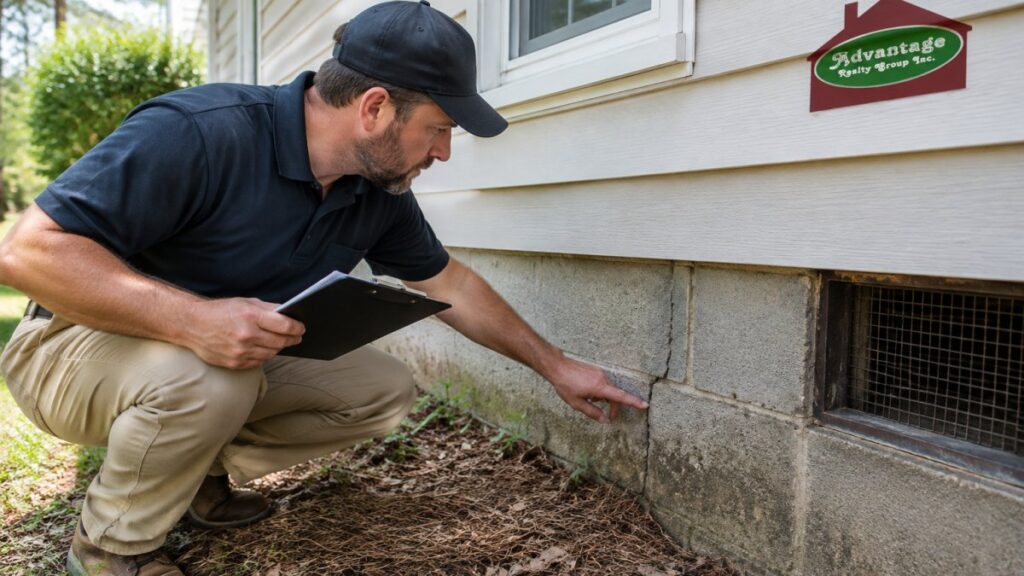
- Inspectors check crawlspaces for standing water, damp insulation, wood rot and signs of mold.
- Ask the inspector to estimate remaining roof life and note any active leaks.
- A standard home inspection is a visual review and does not test for every mold or moisture problem.
- Findings involving safety or systems at end of life deserve a specialist’s written opinion before you negotiate.
Table of Contents
- Why Sumter Homes Show Specific Inspection Findings
- Roof Damage, Leaks and Aging Shingles
- Moisture Intrusion, Crawlspaces and Mold Risk
- Electrical Wiring, Plumbing Leaks and HVAC Condition
- Structural Concerns: Foundation, Floors and Doors
- How to Negotiate Repairs After Your Home Inspection
- Your Home Inspection Checklist and What to Expect on Inspection Day
- Booking Your Sumter Home Inspection and Next Steps
- Frequently Asked Questions
Last Updated: November 21, 2026
Buying a home in Sumter is a bigger decision than most buyers expect, and the home inspection is where many of the most important facts come to light, including the home inspection issues that matter most before you commit. Before you commit, a licensed inspector will walk the property and report on its major systems and visible defects. Knowing which problems show up most often helps you read that report with a clear head and decide what to do next.
Mike Walker Real Estate has more than 40 years of local experience in Sumter, and the inspection stage is where a well-prepared buyer gains the most use. The sections below cover the common home inspection issues in Sumter homes, how to handle them, and what to expect on inspection day.
Why Sumter Homes Show Specific Inspection Findings
Sumter sits in a warm, humid part of South Carolina, and the local climate shapes what inspectors find. Humidity, seasonal heavy rain and older housing stock all contribute to recurring problems. Many homes in the area were built decades ago, so systems that were once current may now be near the end of their service life.
Inspectors in the region commonly flag roofs, crawlspaces, attics and HVAC equipment. Those areas take the most stress from weather and moisture. Buyers who understand this pattern can focus their questions on the systems most likely to need attention.
Roof Damage, Leaks and Aging Shingles
Roof condition is one of the most frequent findings in any inspection. Inspectors look for missing or curling shingles, cracked flashing, damaged vent boots and signs of past leaks such as stains on ceilings or attic decking. An aging roof may still be functional, but it will need replacement sooner than a newer one.

Ask the inspector to estimate the remaining life of the roof and note any active leaks. A roof with visible damage gives you a concrete item to raise during negotiations.
Moisture Intrusion, Crawlspaces and Mold Risk
Moisture is a persistent concern in humid climates. Inspectors check crawlspaces for standing water, damp insulation, wood rot and signs of mold growth. Poor drainage around the foundation and inadequate attic ventilation can both contribute to the problem.
Mold growth is a condition to take seriously, and an inspector may recommend further evaluation by a specialist if they see signs of it. Keep in mind that a standard home inspection is a visual review, so it does not test for every type of mold or moisture problem.
Electrical Wiring, Plumbing Leaks and HVAC Condition
Electrical, plumbing and HVAC findings are the ones buyers tend to remember, because they combine safety risk with real repair exposure. The useful version separates what an inspector actually looks at, what commonly turns up in older housing stock, and which findings justify a licensed specialist before you remove your contingency.
Electrical. A standard visual inspection covers the service panel, the main disconnect, branch wiring that is visible, outlets, switches, GFCI protection in kitchens, baths, garages and exteriors, and the presence of smoke and carbon monoxide alarms. Common findings include:
- Double-tapped breakers (two conductors under one lug) and undersized or oversized breakers relative to the wire gauge.
- Ungrounded three-prong outlets, or two-prong outlets with no equipment ground.
- Missing GFCI protection in wet areas, and open junction boxes in attics and crawlspaces.
- Aluminum branch-circuit wiring in homes built roughly between the mid-1960s and mid-1970s, which typically needs evaluation by a licensed electrician rather than a blanket condemnation.
- Federal Pacific Stab-Lok and Zinsco panels, which many inspectors flag for further review because of documented breaker failure concerns.
Watch out: an inspector reports what is visible and accessible. Buried junctions, wiring inside finished walls, and the internal condition of a panel are outside the scope of a visual inspection, so a clean electrical section in the report is not a guarantee.
Plumbing. Inspectors run fixtures, check for active leaks under sinks and at supply and drain connections, look at the water heater’s age, relief valve and venting, and note the visible supply piping material. Recurring findings include:
- Polybutylene supply pipe in homes from roughly the late 1970s through the mid-1990s, which insurers often treat as a underwriting concern.
- Galvanized steel supply lines that show corrosion or reduced flow.
- Corroded or leaking water heater fittings, missing expansion tanks on closed systems, and relief valve discharge lines that terminate incorrectly.
- Slow drains, loose toilets at the flange, and evidence of past supply or drain leaks in the crawlspace.
HVAC. The inspector operates the equipment in normal modes, checks the temperature differential across the air handler, inspects the condensate drain and pan, the filter, the visible ductwork, and the age and condition of the outdoor condenser.
A useful rule for buyers: an electrical, plumbing or HVAC finding that involves safety (exposed conductors, gas appliance venting, a relief valve that will not open) or a system at end of life deserves a specialist’s written opinion before you decide what to request.
The article’s key findings for each system are summarised below, so you can see at a glance what inspectors look for and when a specialist should be called.
| System | Typical finding | When to call a specialist |
|---|---|---|
| Electrical | Double-tapped breakers, ungrounded outlets | Exposed conductors or safety concerns |
| Electrical | Aluminum wiring (mid-1960s to mid-1970s) | Needs licensed electrician evaluation |
| Electrical | Federal Pacific Stab-Lok or Zinsco panels | Flagged for further review |
| Plumbing | Polybutylene supply pipe (late 1970s to mid-1990s) | Insurer underwriting concern |
| Plumbing | Galvanized steel lines with corrosion | Reduced flow or visible corrosion |
| HVAC | Equipment past its typical service life | End-of-life system, specialist opinion |
| HVAC | Disconnected or crushed flex duct | Duct repair needed |
Structural Concerns: Foundation, Floors and Doors
Structural findings are less common than cosmetic ones, but they deserve careful attention. Inspectors watch for sagging or sloping floors, cracks in foundation walls, sticking doors and windows that no longer close square. Those signs can point to settling, moisture damage or framing problems.
Not every crack signals serious trouble. A hairline crack in drywall differs from a stair-step crack in a block foundation. If an inspector flags structural movement, ask whether a structural engineer should review it before you proceed.
How to Negotiate Repairs After Your Home Inspection
Most inspection guides stop at “ask for repairs.” The part buyers actually need is a repeatable process for turning a 40-page report into a short, defensible request. Here is the sequence that works in practice.
Step 1: Read the report twice, with two different questions. First pass: what is a safety hazard or an active condition causing damage right now? Second pass: what is a major system at or near end of life? Everything else, a missing outlet cover, a dirty filter, a caulk line, is maintenance.
Step 2: Separate the three categories explicitly.
- Safety and active damage. Exposed wiring, a gas leak at an appliance connection, a relief valve that will not open, active roof or plumbing leaks, and any structural movement an inspector flags for engineering review. These are the items to raise first and to insist on resolving before closing.
- Major system defects. A roof near the end of its service life, HVAC equipment past its rated life, a water heater with a failed component, a panel flagged for electrician review, or polybutylene supply piping. These are negotiable, repair, replacement, credit, or price adjustment, but they are legitimate asks.
- Maintenance and cosmetic. Sticking interior doors from humidity, worn caulk, minor grading, dirty filters. These belong in your own budget, not in the request.
Step 3: Get written estimates before you ask. A credit based on a guess invites a counter based on a guess. For the top two or three items, ask a licensed contractor for a written estimate or scope.
Step 4: Choose the mechanism deliberately. A repair credit at closing keeps cash in the deal but does not guarantee the work gets done. A seller-performed repair with a receipt and warranty gives you documentation but depends on the contractor.
Step 5: Watch the contingency clock. Your inspection contingency sets a deadline for delivering a written request and for the seller to respond. Miss it and you may lose the right to renegotiate or walk.
Watch out: a seller’s “as-is” listing does not remove your right to inspect or to walk during the contingency period, it changes what you can reasonably ask the seller to fix. Steps to avoid closing surprises walks through keeping the deal on track from agreement to closing.
Step 6: Document the decision. Keep the report, the estimates, your written request, the seller’s response, and any amendment or credit in one file. If a system fails in the first year, that record is what supports a claim under a home warranty or a disclosure dispute.
Your Home Inspection Checklist and What to Expect on Inspection Day
A home inspection usually takes a few hours, depending on the size and condition of the property. Plan to attend if you can, since walking the home with the inspector gives you context that a written report cannot. Bring a notepad and a list of questions.
Use this checklist to prepare:
- Confirm the inspector is licensed in South Carolina.
- Ask whether the inspection covers the roof, attic, crawlspace, electrical panel, plumbing and HVAC.
- Ask what is outside the scope, such as pest, radon or mold testing.
- Request the written report within the timeline in your contract.
- Note any items that need a specialist’s evaluation.
Booking Your Sumter Home Inspection and Next Steps
Schedule your inspection soon after your offer is accepted, so you have time to review the report before your contingency deadline. Mike Walker Real Estate can help you think through the inspection findings and which repairs to request.
If you are ready to move forward with a Sumter home purchase, plan your Sumter, SC home purchase with Mike Walker and get guidance from your first tour through closing.
Frequently Asked Questions
What are the most common home inspection deal-breakers?
Deal-breakers are usually findings that cost a lot to fix or threaten safety or the structure: a failing roof, foundation movement, active water intrusion, damaged or outdated electrical panels, and serious plumbing or HVAC failures. Buyers in Sumter often also weigh extensive crawlspace moisture and mold. Not every finding is a deal-breaker, so ask your inspector to rank items by cost, safety risk and urgency, then decide which ones justify a repair request, a price change or walking away from the contract.
What happens if a home inspection reveals major issues?
When the report shows significant problems, you typically have a set window under your contract to act. Common options include asking the seller to make repairs, requesting a credit or price reduction, or getting a further evaluation by a specialist such as a licensed electrician, roofer or structural engineer. If the issues cannot be resolved, the contract may allow you to exit. Review the inspection contingency deadlines with your agent before the period expires.
Do older homes in the Sumter area have specific inspection concerns?
Older homes often show aging wiring, older electrical panels, galvanized or deteriorating plumbing, worn roofs and HVAC systems near the end of their service life. Crawlspace moisture and attic ventilation problems are also frequent in humid South Carolina conditions. An inspection can flag these, but a specialist may be needed to confirm the extent of a problem. Budget for repairs in older properties even when the report looks manageable.
How do I choose a qualified home inspector for my purchase?
Look for a licensed or certified inspector who serves Sumter and surrounding communities, ask how long they have been inspecting, and request a sample report so you can see how findings are described. Confirm what the inspection covers and what it excludes, such as pests or environmental testing. Ask whether they will attend the inspection so you can see issues firsthand. Compare providers on scope and clarity of reporting rather than price alone, since service pricing varies.
